
[UPDATED] New CDC Dog Re-Entry and Import Rules Take Effect on August 1st, 2024
As of July 22, 2024, the CDC has updated their new dog-import requirements. Travel between the U.S. and Mexico will no longer require rabies vaccination after August 1, 2024. All that will be required when re-entering the U.S. is:
CDC Import Form Receipt (provided by MexiVet Express for patients traveling with us - we charge $5 for each form to cover our cost of compliance and ensure safe, smooth passage back to the U.S.)
Microchip (ISO-compliance not required, may be administered the same day as travel)
Must be at least 6 months old
Must appear healthy (no communicable diseases)
That’s it.
This is great news for all pet owners who enjoy traveling with their canine companions, and especially for those of us who rely on veterinary clinics in Mexico for our pets' care. As always, MexiVet Express is here to help with your vet care needs. Click below to request an estimate or to learn more about our unique service.

Frequently Asked Questions - get yourself acquainted with MexiVet Express. Find answers to questions you didn’t even know you had.

Computed tomography (CT) scans are advanced diagnostic tools used in veterinary medicine to provide highly detailed images of a dog’s body. While this technology was originally invented for humans it’s now widely used for dogs to detect and diagnose various health conditions that may not be visible through traditional X-rays, ultrasounds or physical exams. Learn more about canine CT scans and how this service can help diagnose possible health issues.

Cats are agile and graceful creatures, known for their impressive ability to leap and land from high places. However, accidents can happen, and even these nimble fur babies can suffer from broken bones (fractures). Fractures in cats can be caused by various incidents, from car accidents to falls, fights, or even mishaps indoors. Learn what signs to look out for, so you can ensure your cat gets treated immediately.
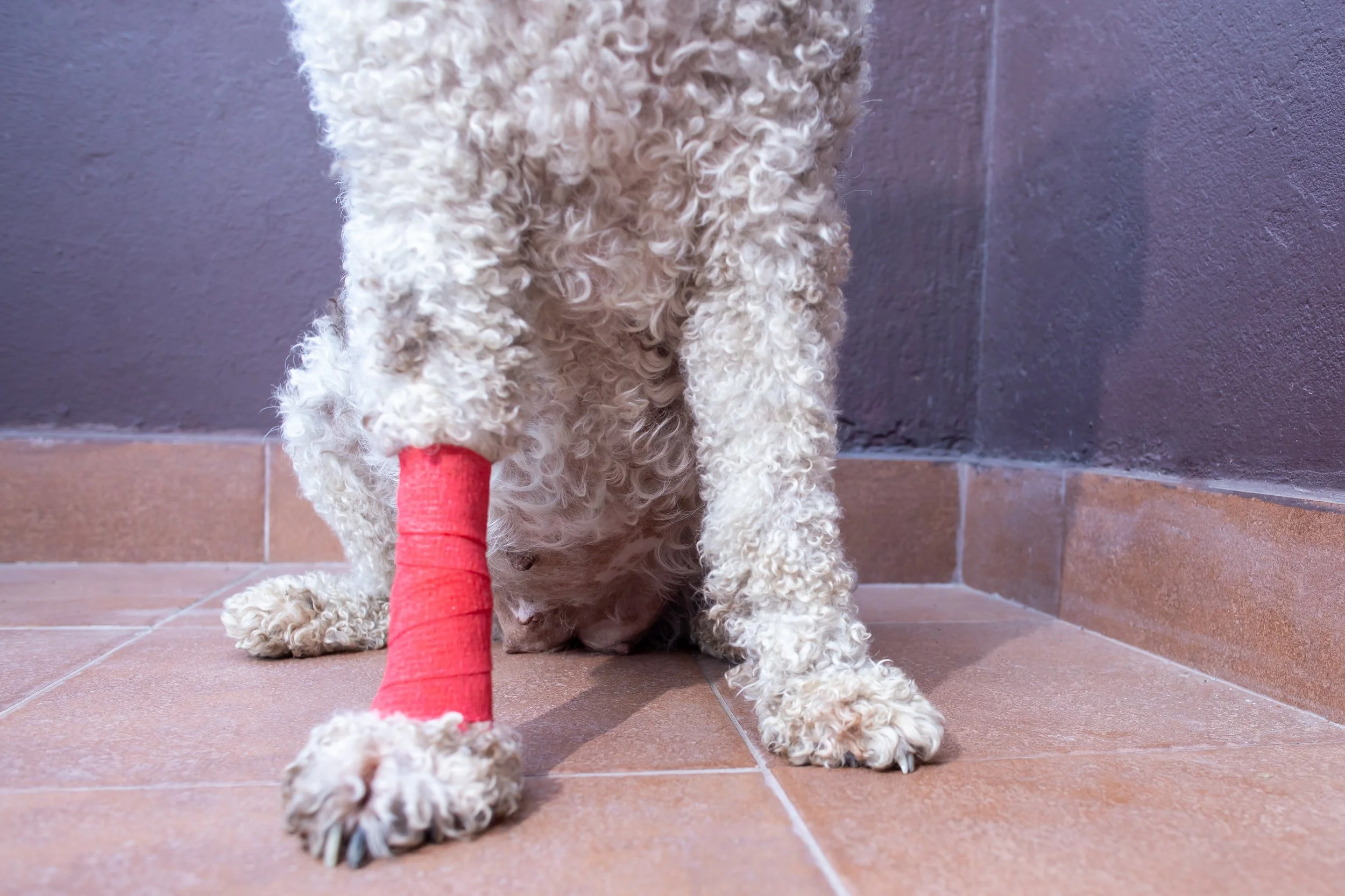
When a dog suffers a broken bone, it can be a distressing experience for both the pet and the owner. Depending on the severity of the fracture, surgery may be required to restore your dog's mobility and overall well-being. Understanding what to expect during the process can help alleviate some of the anxiety and prepare you for the recovery process.
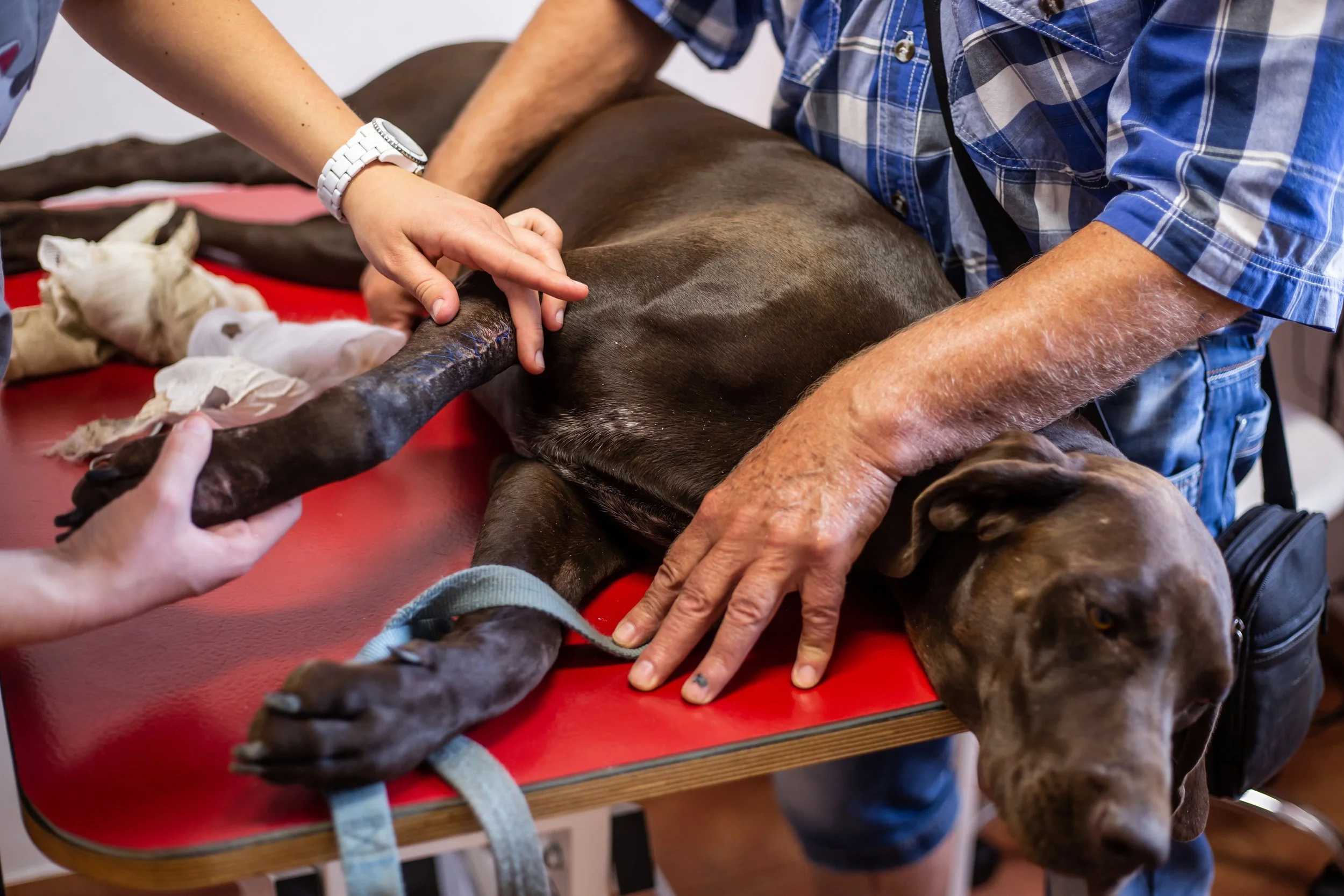
Our furry friends aren’t always the most cautious when it comes to protecting themselves. If you own a dog that likes to rough house, jump off things or practice the parkour - recognizing the signs of a broken bone (fracture) is important. Whether it's from an accident, a fall, or rough play, fractures in dogs can be a serious condition requiring immediate attention. Here's how to identify if your dog may have a fracture and what steps you should take.

Mast cell tumors (MCTs) are one of the most common types of skin tumors found in dogs, but what should you do if you find one? Are MCTs dangerous? Here's what we know about mast cell tumors in dogs.

Facing a cancer diagnosis in your four-legged family member can be a daunting and emotional journey. While there’s no miracle cure for dog cancer, you do have options. Fortunately, advancements in veterinary medicine offer various cancer treatments for dogs, including chemotherapy, to improve their quality of life and potentially extend the time shared with our furry friends. Understanding what to expect when your dog undergoes chemotherapy can help you navigate this process with knowledge and preparation.

Magnetic Resonance Imaging (MRI) scans for dogs are a helpful tool that can help diagnose and treat your fur baby. MRI scans provide vets with detailed images that can reveal the source of your pet’s health issues. However, the cost of a canine MRI scan can vary, depending on the clinic you choose to go to. Learn how to find low cost MRI scans for dogs near you, so you can get the right treatment for your four-legged friend.
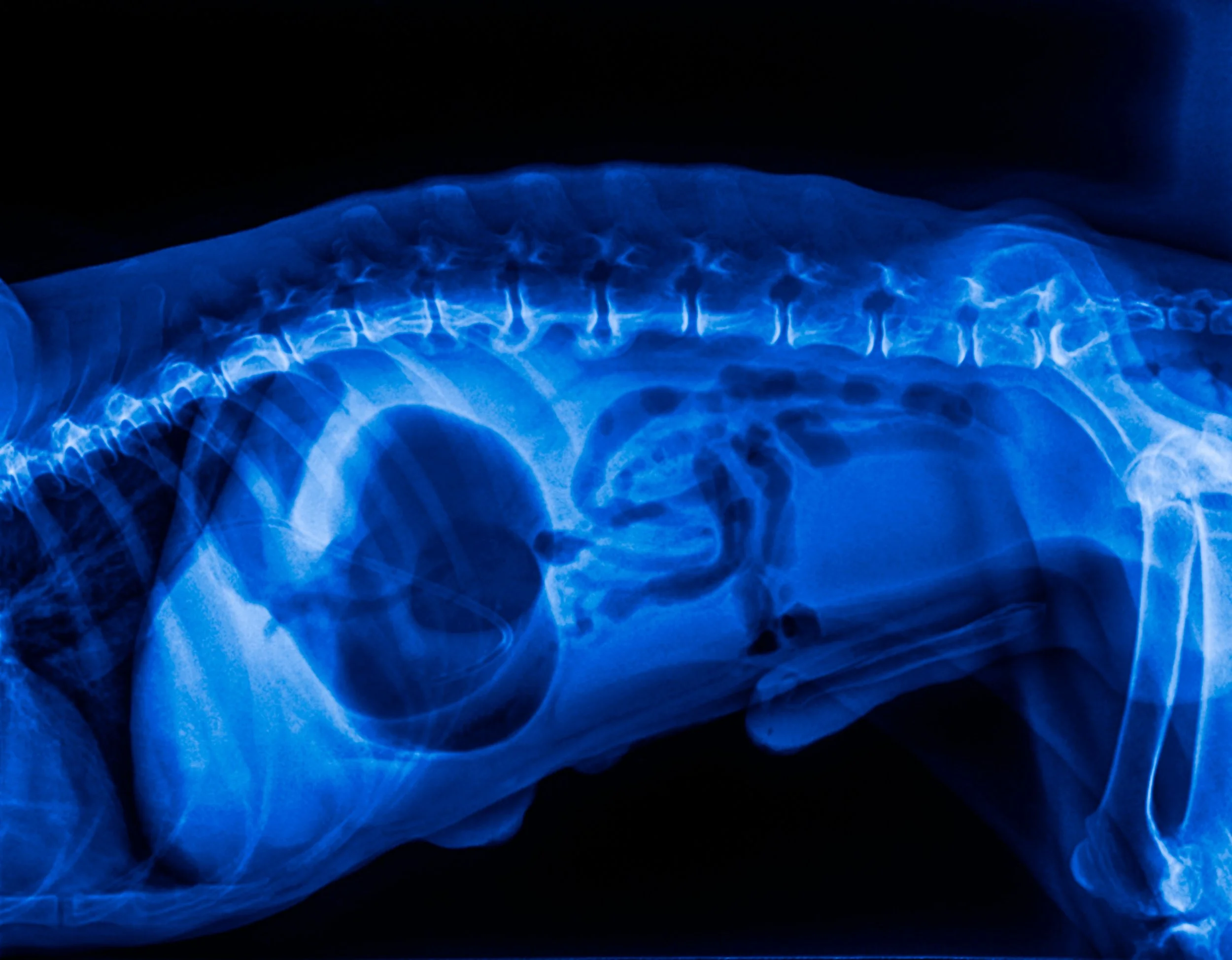
When our furry companions face health challenges, we want to get to the root of the cause as soon as possible and ensure they receive the right treatment. Often, it can be difficult to diagnose a dog without further testing. Magnetic Resonance Imaging (MRI) scans have become a vital tool for diagnosing a wide range of conditions - here’s what to expect when considering an MRI for your pet.

Most adults have had an MRI or at least are familiar with the diagnostic process. They can be extremely helpful in rooting out the causes of a wide variety of symptoms, but are they only for humans? Nope! MRI’s can be just a s useful for dogs. But how and when does a pet-parent go about getting an MRI for their furry family member?